Small bushes for landscaping Andover, KS yards need to survive hot summers, heavy clay, and winter swings without constant babysitting. The picks below are proven performers in local conditions, and we cover the prep work most plant lists skip entirely: what to do with the overgrown shrub already sitting in that spot. Here's what actually holds up in an Andover, KS yard.
Best Small Bushes for Andover, KS Landscapes (Zone 6b Picks)
Andover sits in USDA hardiness zone 6b, where clay soil, dry summer stretches, and sudden cold snaps rule out anything delicate. The shrubs that actually earn their spot in a local yard are the ones bred to shrug off those extremes rather than need babying through them.
| Shrub | Mature Size (H x W) | Sun Needs | Soil & Drought Tolerance | Why It Works Here |
|---|---|---|---|---|
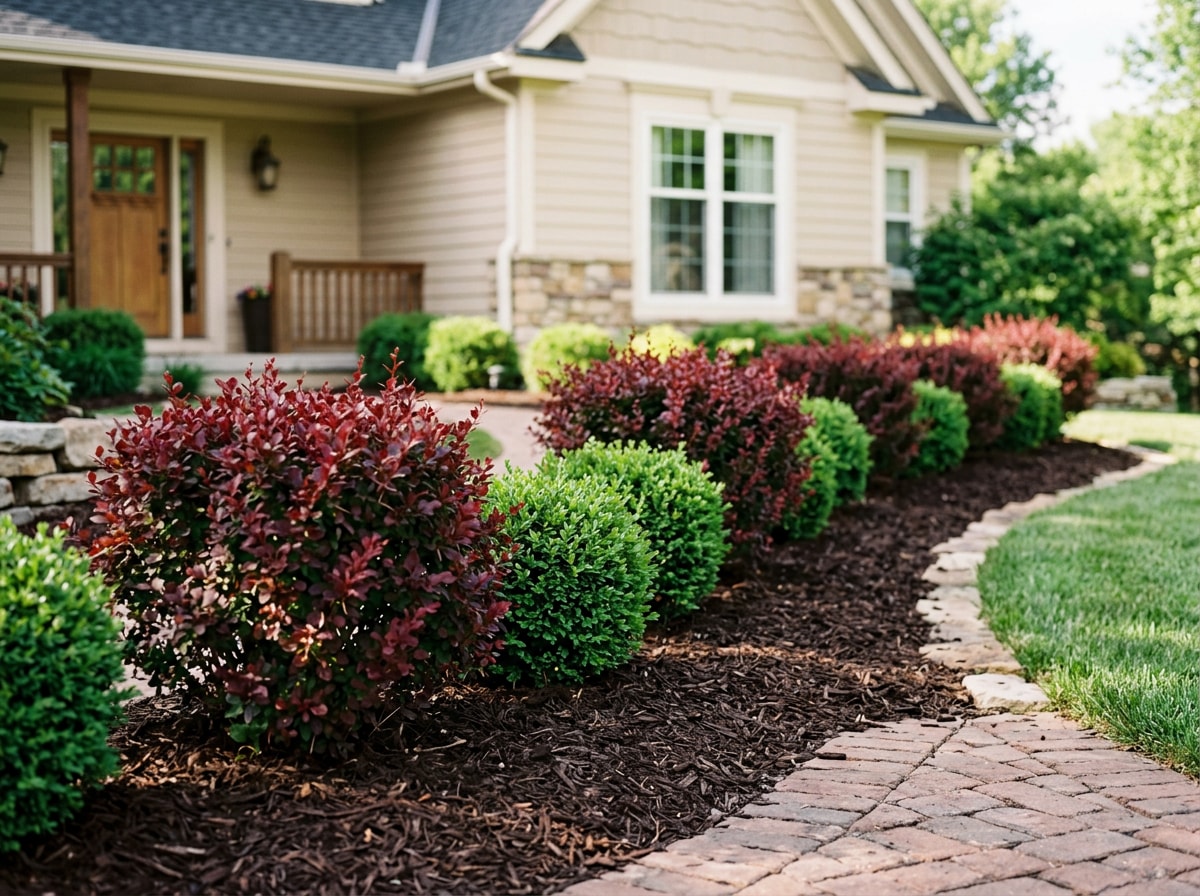
| Japanese Barberry | 3-4 ft x 3-4 ft | Full sun to part shade | Tolerates clay, poor soil, short dry spells | Burgundy foliage, thorny form doubles as a barrier planting |
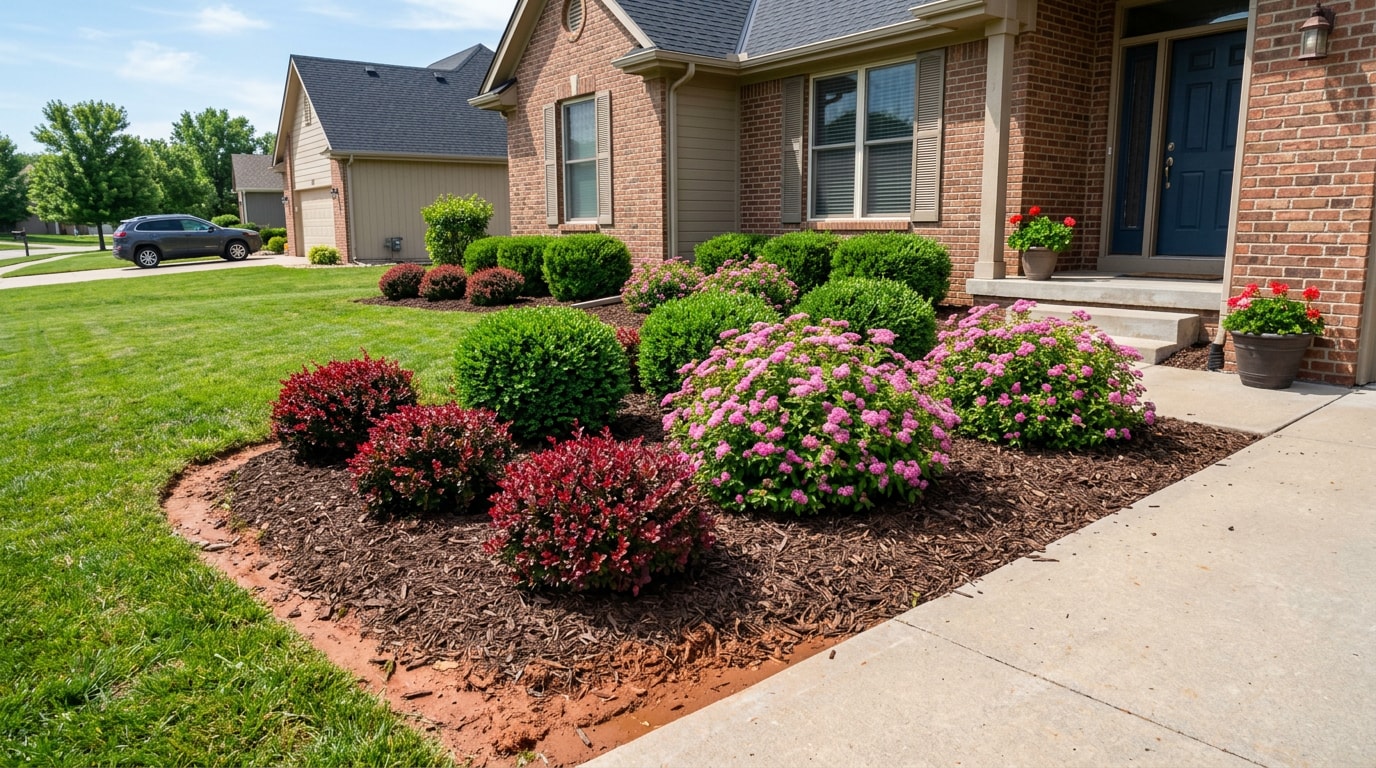
| Anthony Waterer Spirea | 2-3 ft x 3-4 ft | Full sun | Adapts to clay once established | Reblooms summer into fall with minimal pruning |
| North Star Boxwood | 2-2.5 ft x 2-2.5 ft | Full sun to part shade | Tolerates heat, needs decent drainage | Evergreen structure that holds its shape without shearing |
| Potentilla | 1-4 ft x 0.5-5 ft | Full sun to partial shade | Extreme cold and heat tolerant | Blooms from spring through frost with little care |
| Fragrant Sumac (Rhus aromatica) | 2-6 ft x 3-8 ft | Full sun to part shade | Native, drought tolerant, handles clay | Spreads as a tough groundcover near foundations |
Kansas State University Extension classifies Japanese Barberry among the small deciduous shrubs that stay under 5 feet tall and wide at maturity.
The plant carries thorns and small red fruit , which is why it doubles as both a color accent and a low barrier along property lines.
North Star Boxwood is one of the most reliable evergreen picks for Andover beds. It's hardy from USDA Zones 5-9, grows 2-2.5 feet tall and wide, and maintains its short, round habit without much maintenance. That low-fuss habit matters here, since most homeowners don't want to shear a hedge every six weeks through a Kansas summer.
Potentilla is rated for Zones 2-8, grows in full sun to partial shade, and blooms from spring through fall in a bushy or ground-cover habit. It's one of the few small shrubs that keeps producing color straight through July heat.
For a native option, fragrant sumac pairs well with other Zone 6-friendly natives like Aronia and Viburnum, thrives in clay or sandy soils, and supports pollinators while feeding birds through winter. Compact cultivars stay under 2 feet and work as a tough groundcover where grass struggles to grow.
A Word of Caution on Purple Pixie Loropetalum
Loropetalum shows up on a lot of small-shrub lists because of its weeping purple foliage, but it's not a safe bet for Andover's winters. Chinese fringe-flower cultivars like Jazz Hands Mini are rated for USDA Zones 7b-9 , which puts Andover's zone 6b winters well outside its comfort range. If you love the look, plant it in a container you can bring indoors before the first hard freeze rather than putting it in the ground as a permanent foundation shrub.
Coneflower, Hosta, and Peonies make good companions for any of the shrubs above, but they're perennials that die back each winter rather than true small bushes. Pair them with a shrub for structure that doesn't disappear from October through March.
You can check the USDA Plant Hardiness Zone Map for your exact ZIP code before buying anything, since microclimates can shift a half-zone from one side of Butler County to the other.
Prepping the Bed: Rejuvenate or Remove the Old Shrub?
Overgrown bushes often need attention before new small bushes go in, but removal isn't always the right call. Old shrubs compete for root space and block sunlight, yet many can be cut back hard and brought back to a usable size instead of being dug out.
Light pruning means removing 10% or less of the plant, not counting dead wood, and even light pruning of spring-blooming shrubs like lilac and forsythia will cost you next year's flowers. For shrubs that are genuinely too far gone for light pruning, rejuvenation is the most severe method and works on multi-stem shrubs that have gotten too large with too many old branches to justify saving the younger canes , and K-State Research and Extension recommends saving that cut for spring so the plant isn't going into winter with fresh wounds.
Not every shrub is a good rejuvenation candidate, though. Junipers and other conifers are the exception that proves the rule: once they outgrow their space, cutting them back hard just leaves a dead, bare stub instead of new growth. In our experience walking Andover yards, the shrubs worth saving are almost always multi-stem deciduous types like spirea, forsythia, or barberry. Anything woody, bare at the base, or clearly declining is better pulled and replaced.
Signs a shrub should come out instead of being pruned back:
- More than half the branches are dead, brittle, or leafless
- The root flare is buried under years of built-up mulch and soil
- It's a conifer (juniper, arborvitae, pine) that's outgrown its spot
- Disease or pest damage shows up every season despite treatment
- The variety was never suited to Zone 6b in the first place
Professional removal involves digging out the full root ball, not just cutting the plant down, since leftover roots can resprout or rot in the bed. A shrub and hedge trimming service can tell you in a few minutes which route makes sense for a given plant, and a full landscape construction crew can handle removal and bed prep together when several shrubs need to go at once.
Planting and Caring for Small Bushes in Andover's Clay
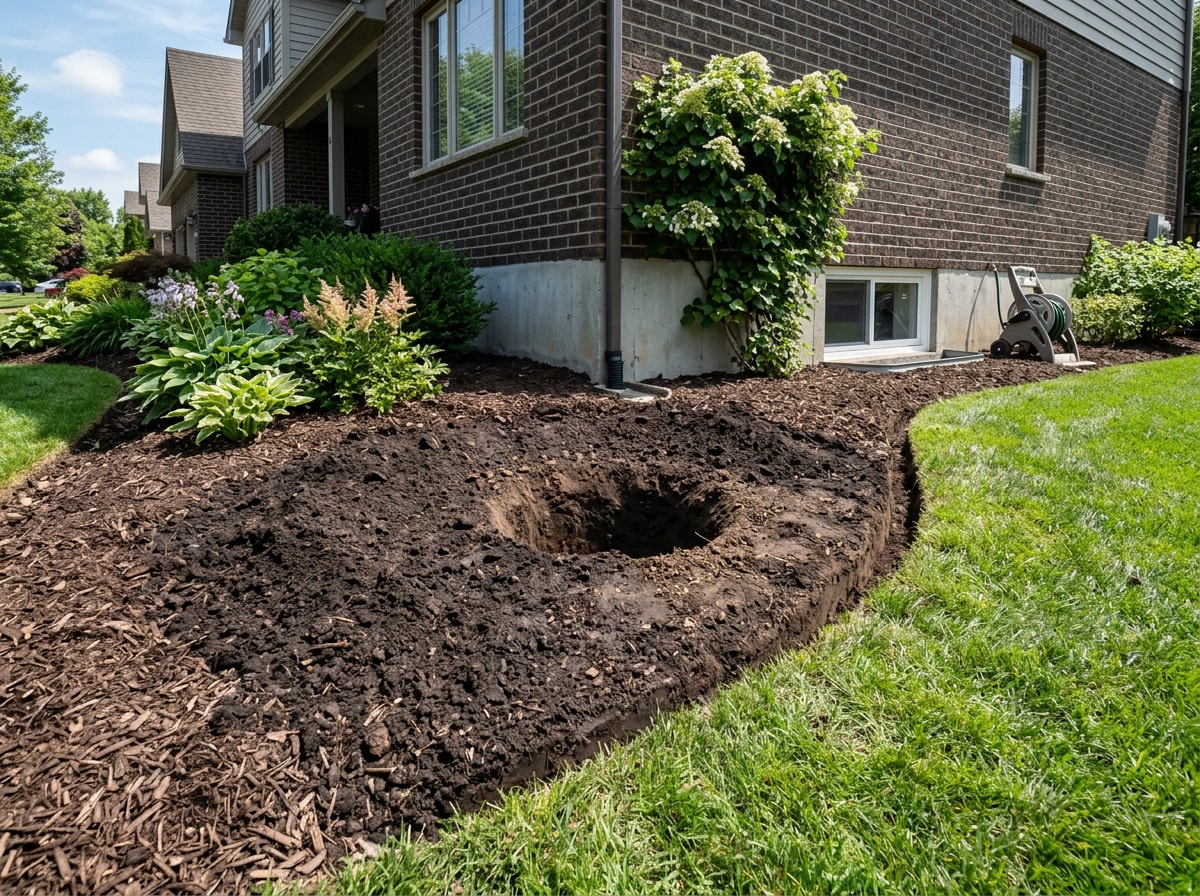
Correct depth and soil prep matter more than the shrub variety itself when it comes to surviving Kansas clay. Dig the hole wider than the root ball, not deeper, and set the shrub so the root flare sits slightly above grade. Clay drains slowly, so a hole dug too deep just becomes a bathtub that drowns the roots after a heavy spring rain.
A few habits make the difference between a shrub that struggles and one that thrives:
- Water deeply but less often during the first growing season to encourage deep roots instead of shallow ones
- Apply 2-3 inches of mulch around the base, keeping it off the stems, to buffer soil temperature swings
- Skip high-nitrogen fertilizer the first year; focus on root establishment instead of top growth
- Space shrubs according to their mature width, not their nursery-pot size, to avoid a crowded bed in three years
Fresh mulch also helps new plantings hold moisture through Andover's dry August stretches, and a professional mulch installation keeps depth consistent across the whole bed instead of the uneven piles that come from a weekend DIY job. If the new shrubs are going into a bed that's being reshaped anyway, it's worth pairing them with hardscape or rock groundcover; our guide to low-maintenance river rock landscaping in Andover covers how that pairing cuts down on watering and weeding even further.
When to Bring in a Landscaping Pro
Homeowners planning small bushes for landscaping Andover, KS yards typically need help in three spots: site design, planting, and ongoing care. Site design means figuring out where a shrub will get the right light and enough room to reach its mature size without crowding a walkway or foundation. A landscape design consultation sorts that out before a single hole gets dug.
Professional planting affects how well a shrub establishes roots in Kansas clay, and ongoing landscape maintenance keeps beds full and prevents the overgrowth problems covered above. If you'd rather skip the guesswork on variety selection, bed prep, and first-year watering, get a free estimate and we'll walk the yard with you before anything goes in the ground.
Stellar Lawn Care LLC has been installing and maintaining shrub beds across Wichita, Andover, and the surrounding Butler County area since 2020. Our crews see firsthand which varieties hold up through a Kansas July and which ones limp along until replacement, and that field experience shapes the picks on this page. Questions about a specific yard? Contact our team or visit the homepage to see the full range of lawn and landscaping services we offer.
FAQ
What are the best small bushes for an Andover, KS front yard?
Japanese Barberry, Anthony Waterer Spirea, North Star Boxwood, Potentilla, and native Fragrant Sumac are the most reliable choices. All five tolerate Andover's zone 6b winters, clay soil, and summer heat without constant intervention.
Is Purple Pixie Loropetalum hardy enough for Kansas winters?
No. Loropetalum cultivars are typically rated for Zones 7b-9, which is warmer than Andover's zone 6b. Grow it in a container you can move indoors for winter instead of planting it directly in the ground.
How do I know if an old shrub should be removed instead of pruned?
If more than half the branches are dead or the shrub is a juniper, arborvitae, or other conifer that's outgrown its space, removal is usually the better call. Multi-stem deciduous shrubs like spirea or forsythia often respond well to hard rejuvenation pruning instead.
When is the best time to plant small bushes in Andover, KS?
Early fall and early spring both work well, since cooler soil temperatures reduce transplant stress compared to planting during peak summer heat. Avoid planting during the hottest stretch of July and August if possible.
How far apart should small bushes be spaced in a foundation planting?
Space shrubs based on their mature width, not their current nursery-pot size. A shrub with a 3-foot mature spread generally needs 3 feet of space from its neighbor to avoid crowding within a few growing seasons.
Do small bushes need full sun in Kansas heat?
Most of the varieties on this list, including barberry, spirea, and potentilla, prefer full sun and handle Kansas summers well once established. Boxwood and some sumac cultivars tolerate partial shade if a yard has mixed sun exposure.