Yes, you can physically lay sod over existing grass in Wichita, KS, but it sets up almost every new lawn to fail within a season. New sod needs bare, loose soil to root into, and a layer of old turf or thatch blocks that contact every time. Here's why the shortcut backfires on Wichita's clay soil, and what actually works instead.
Can You Lay Sod Over Existing Grass? The Short Answer
Technically yes. Practically, no.
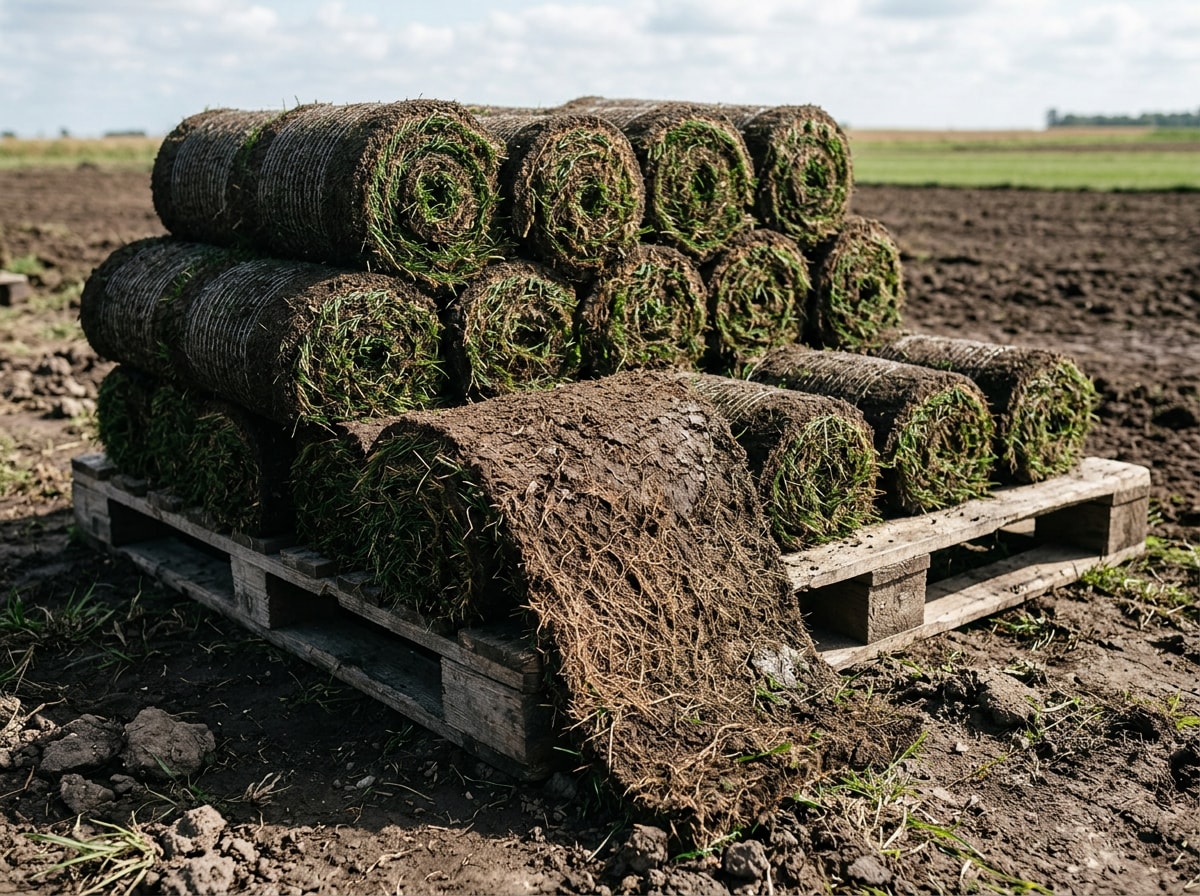
New sod ships as a thin slice of grass and roots attached to soil. That root layer has to touch moist, loose earth within days to start anchoring.
Old grass, thatch, or dead turf underneath acts like a barrier instead. The new sod may look fine for a few weeks. Then it browns out in patches once the roots hit a dead end instead of native soil.
Crews on our Wichita lawn care routes see this pattern every spring: sod laid directly over dead fescue greens up for two or three weeks, then fails in stripes once roots hit the old thatch layer underneath.
Why Laying Sod Over Existing Grass Fails in Wichita Yards
A few specific failure points show up again and again in local yards. Each one gets worse the longer the old lawn stays in place before new sod goes down.
Soil Compaction and Poor Root Access
Compacted soil under an old lawn blocks water, air, and new roots from reaching any meaningful depth. Wichita's clay-heavy soil compacts faster than sandier soils and drains slowly once it does, so sod laid over it without proper prep often sits in standing water or bone-dry hardpan within the same season.
Persistent Weeds With Underground Runners
Weeds with underground runners don't die just because they're covered. The main way bermudagrass spreads is via underground, laterally growing stems called rhizomes, and by aboveground, creeping stolons (runners) , and those structures keep spreading beneath new sod regardless of what's laid on top. Getting ahead of this with a weed control program before sod goes down matters more than most DIY guides admit, since a single treatment rarely finishes the job. In fact, a single application of glyphosate will not successfully control a bermudagrass infestation in a lawn , which is why surviving runners so often push up through new sod seams within a growing season.
Grading and Drainage Problems
Layering sod over an existing lawn also skips grading, which is where drainage problems start. Low spots, high spots, and uneven surfaces from years of mowing and foot traffic get locked in rather than fixed. The result is a lawn that looks lumpy and sheds water toward the house instead of away from it.
Sod vs. Reseeding an Existing Wichita Lawn
Both options can replace a tired lawn, but they trade off differently once old turf is in the picture.
| Factor | New Sod (Properly Prepped) | Reseeding / Overseeding |
|---|---|---|
| Soil prep needed | Full removal of old grass, tilling, grading | Can often work into thinned turf with aeration |
| Time to usable lawn | Roots begin anchoring quickly once prepped | Weeks to months for full coverage |
| Best Wichita planting window | Late summer into early fall | Early fall for cool-season grass |
| Upfront cost | Higher, but instant coverage | Lower, but slower to fill in |
| Works over old, unremoved lawn | No, root contact is blocked | Possible if old turf is mowed low first |
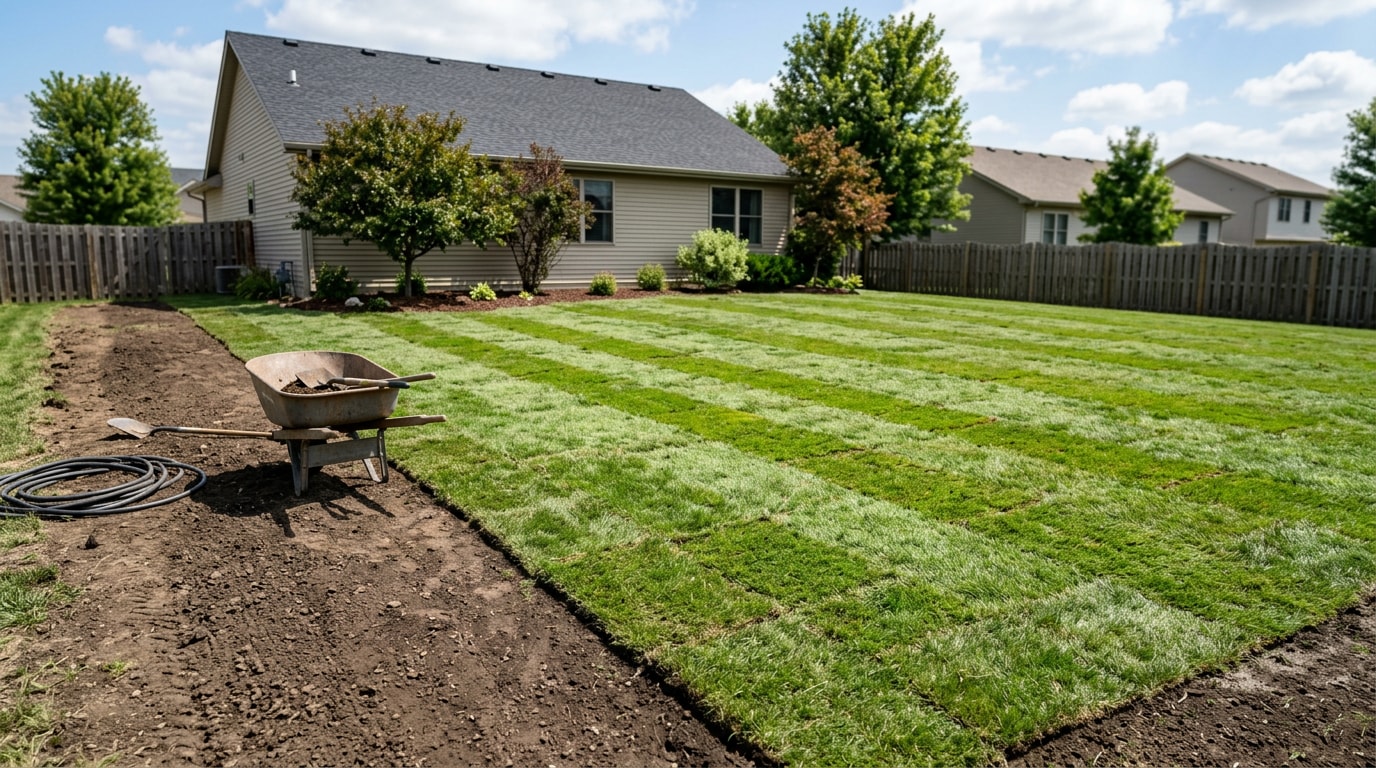
Late summer and early fall is considered the best time for establishment in Kansas, since weed competition is reduced and temperatures are appropriate for rapid turf growth. Under favorable conditions, sod will begin to root within 14 days once it has real soil contact to work with.
What to Prepare Before New Sod Arrives
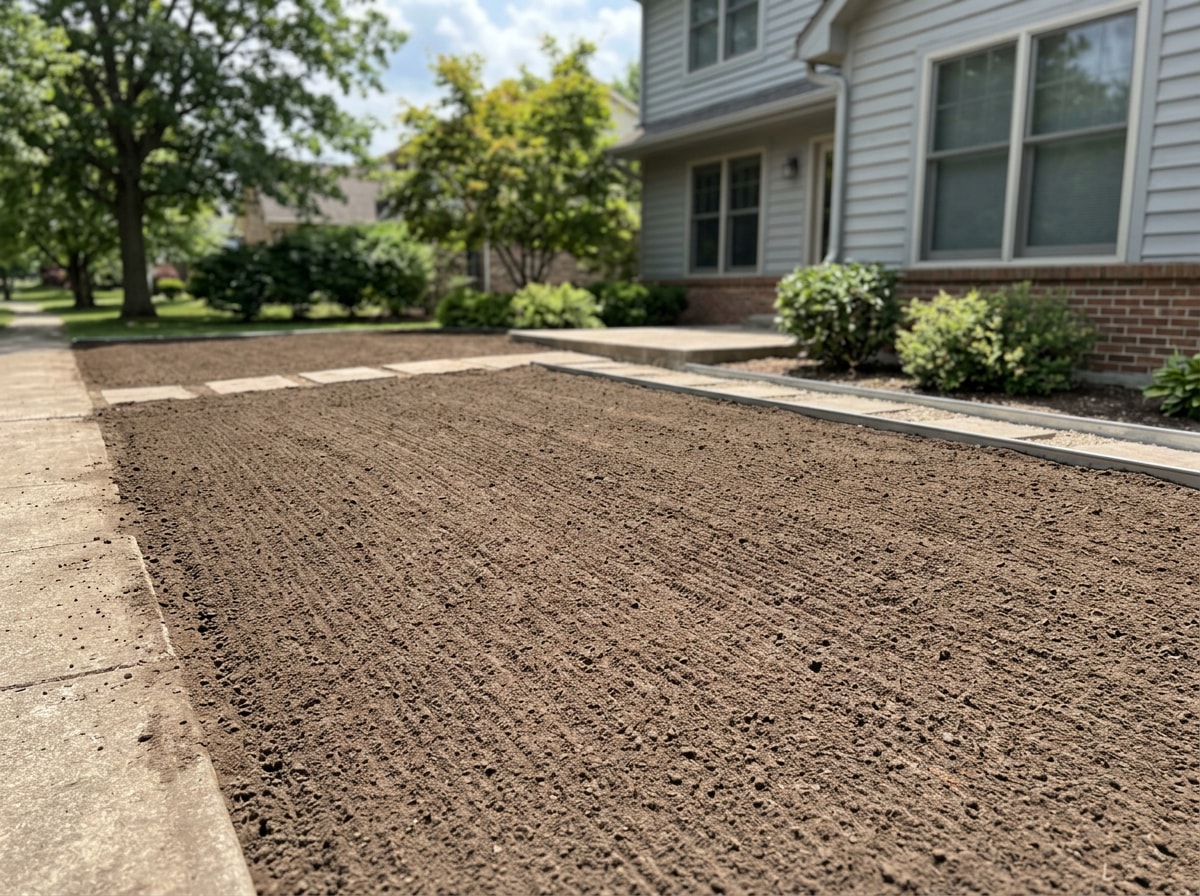
Once the old lawn is out of the way, the prep work below determines whether new sod actually establishes.
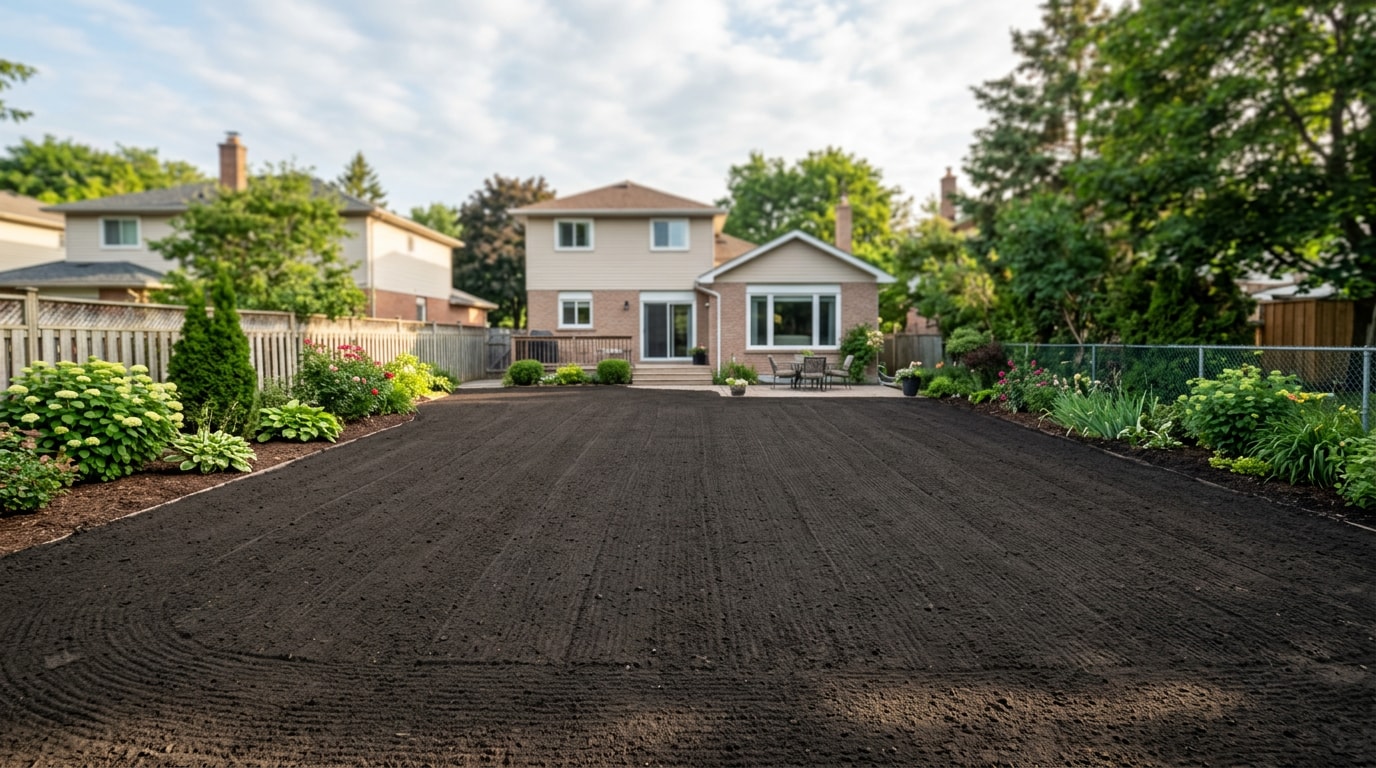
- Clear the old vegetation. Kill or remove the existing lawn completely through herbicide application, a sod cutter, or heavy dethatching before any soil work begins. This is labor-intensive as a DIY project and usually takes anywhere from a few days to a couple of weeks depending on method.
- Pull debris and obstacles. Rocks, old roots, leftover mulch, and construction debris all need to come out before grading starts. Skipping this leaves hard spots under the new sod that block root growth.
- Test and condition the soil. A local soil test tells you exactly what the ground needs before sod goes down instead of guessing.
The K-State Soil Testing Laboratory offers soil testing services for lawns through the Sedgwick County Extension office , which gives Wichita homeowners a direct, local way to check pH and nutrients before committing to a sod order.
- Grade the yard. Leveling at the same time as tilling prevents the drainage issues uneven ground causes down the line.
Pairing fresh sod with a lawn fertilization plan afterward helps new turf establish faster once it's actually rooted in. Watering schedule matters just as much as what goes into the ground. Our guide to watering sod in Wichita, KS covers how much and how often new sod needs water through its first few weeks.
Common Mistakes to Avoid When Laying Sod
A few errors account for most failed sod projects:
- Skipping the soil test and guessing at amendments
- Laying sod over dead-but-not-removed thatch instead of bare soil
- Watering on an inconsistent schedule during the first two to three weeks
- Ignoring grade and leaving low spots that pool water
- Installing outside the ideal fall or spring planting window
Each one is fixable with basic planning, but all four together usually mean the new lawn needs to be redone within a year.
What to Confirm Before Installation Day
Before any installation starts, confirm exactly what's included in the scope of work. Ask whether old-grass removal, debris hauling, soil amendments, and grading are part of the price or billed separately. Clarifying this upfront avoids surprise add-on costs once the project is already underway.
If you'd rather skip the guesswork on grading, soil prep, and timing, a sod installation crew can handle removal through final rooting in one coordinated job. Get a free estimate before the next fall planting window closes, or visit the homepage to see the full range of lawn care services available in the Wichita area.
FAQ
Can you lay sod over existing grass in Wichita, KS?
Technically yes, but it's not recommended. New sod needs direct root-to-soil contact to establish, and a layer of old turf underneath blocks that contact, leading to patchy or failed results within one growing season on Wichita's clay-heavy soil.
Can you lay new sod over dead grass?
Dead grass still creates a physical barrier and often traps air pockets between the old thatch and the new sod's root layer. Even dead turf should be cleared or dethatched down to soil before new sod goes in.
Do you have to remove old grass before laying new sod?
Yes. Removing old grass, whether by sod cutter, herbicide, or heavy dethatching, is the step that actually determines whether new sod roots successfully. Skipping it is the single most common cause of failed sod installs.
How much would it cost to sod a 20x20 yard?
A 20x20 yard is 400 square feet, and sod typically prices per square foot, so costs scale directly with yard size, grass type, and how much prep work the site needs. Getting a local quote is the only reliable way to pin down an exact number for a specific yard.
How late can you plant sod or grass seed in Kansas?
September is generally the preferred month for establishing or overseeding cool-season turf in Kansas, though seeding during early October can also succeed when weather conditions are favorable. Planting much later into cooler months risks poor rooting before winter dormancy sets in.
Is it cheaper to reseed or resod a Wichita lawn?
Reseeding is generally cheaper upfront but takes weeks to months longer to fill in and establish. Sod costs more initially but gives an instantly usable lawn with faster root contact once it's properly installed over prepared soil. An aeration and overseeding approach can also work well for lawns that are thinning but not fully dead.