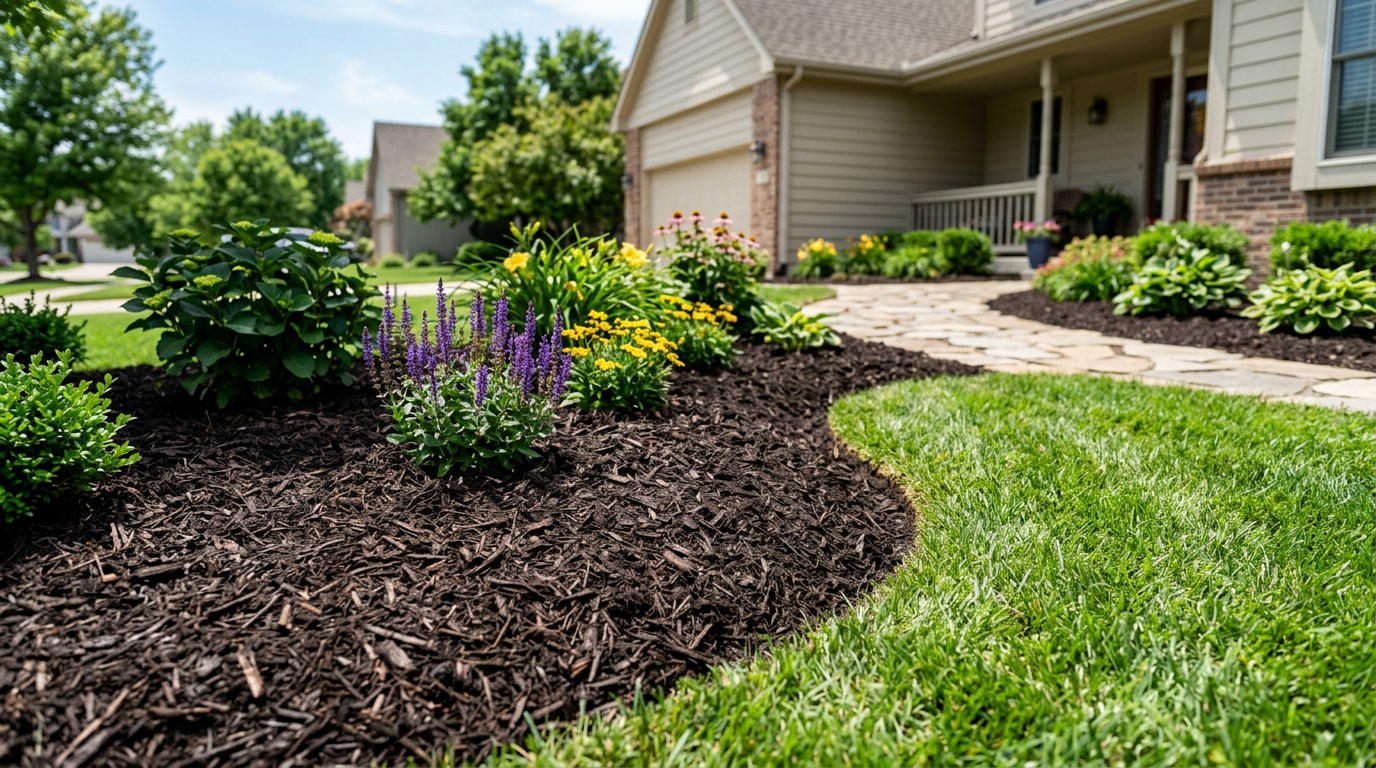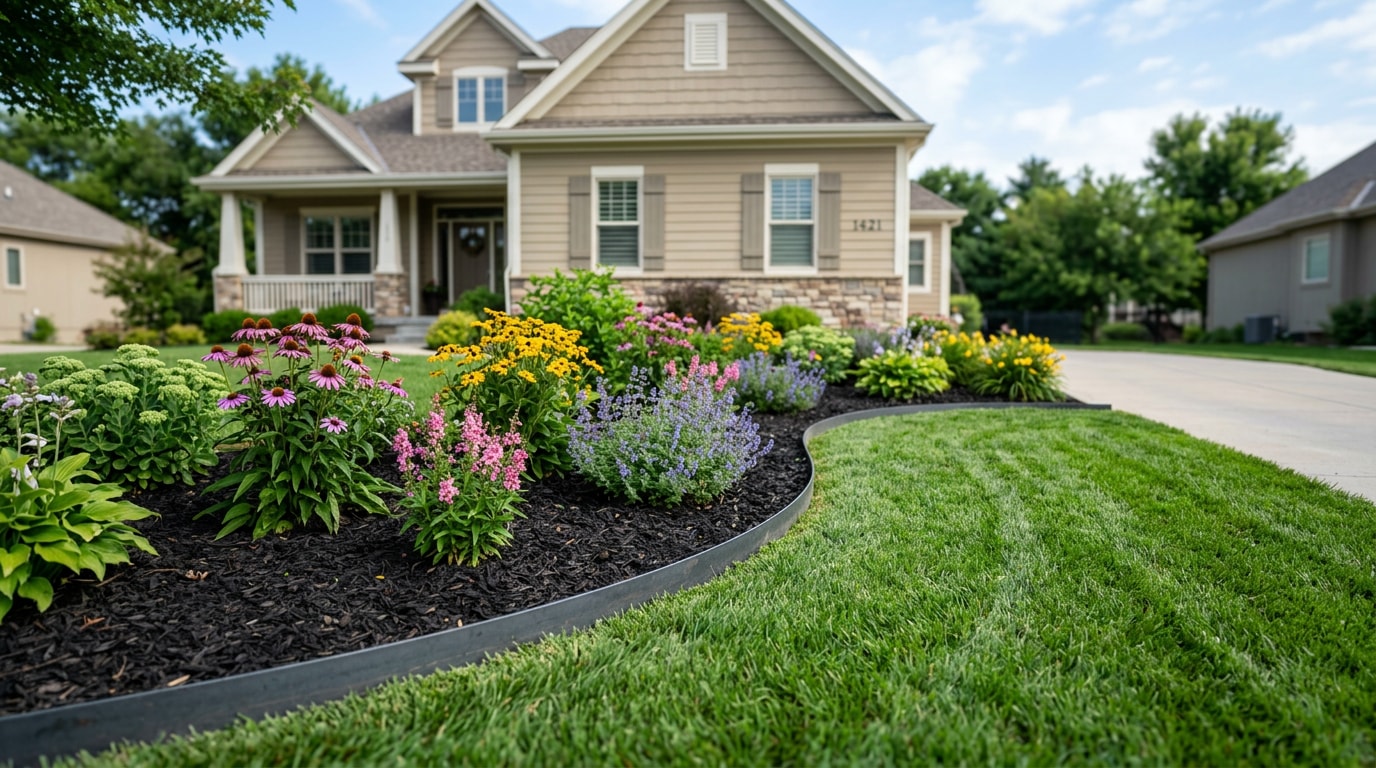
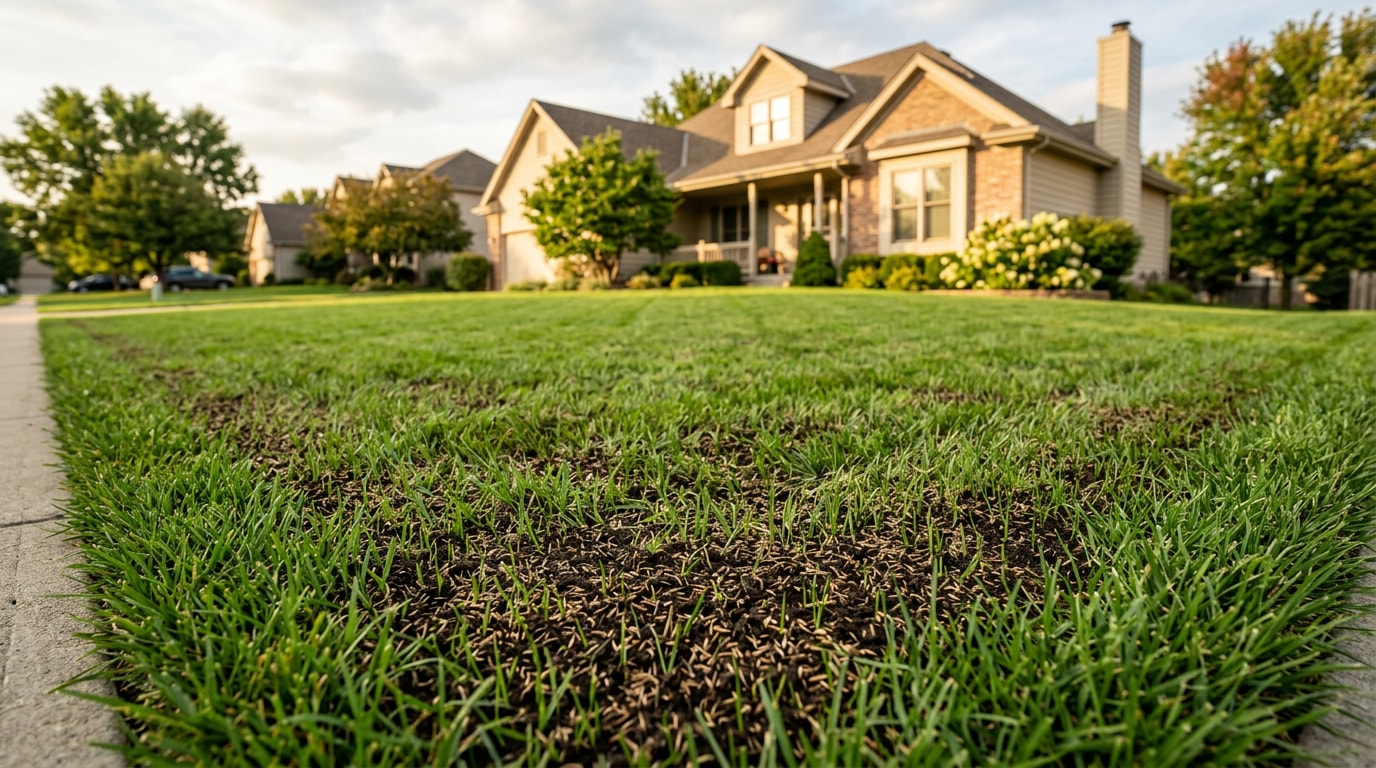
A thin, patchy lawn can turn a well-kept yard into the neighborhood eyesore almost overnight. Our lawn seeding services in Maize, KS bring brown, uneven turf back to a healthy, dense appearance using seeding methods matched to local clay soil and Kansas weather swings. If your lawn is starting to thin out, reach out to our local lawn care team before the problem spreads into next season.
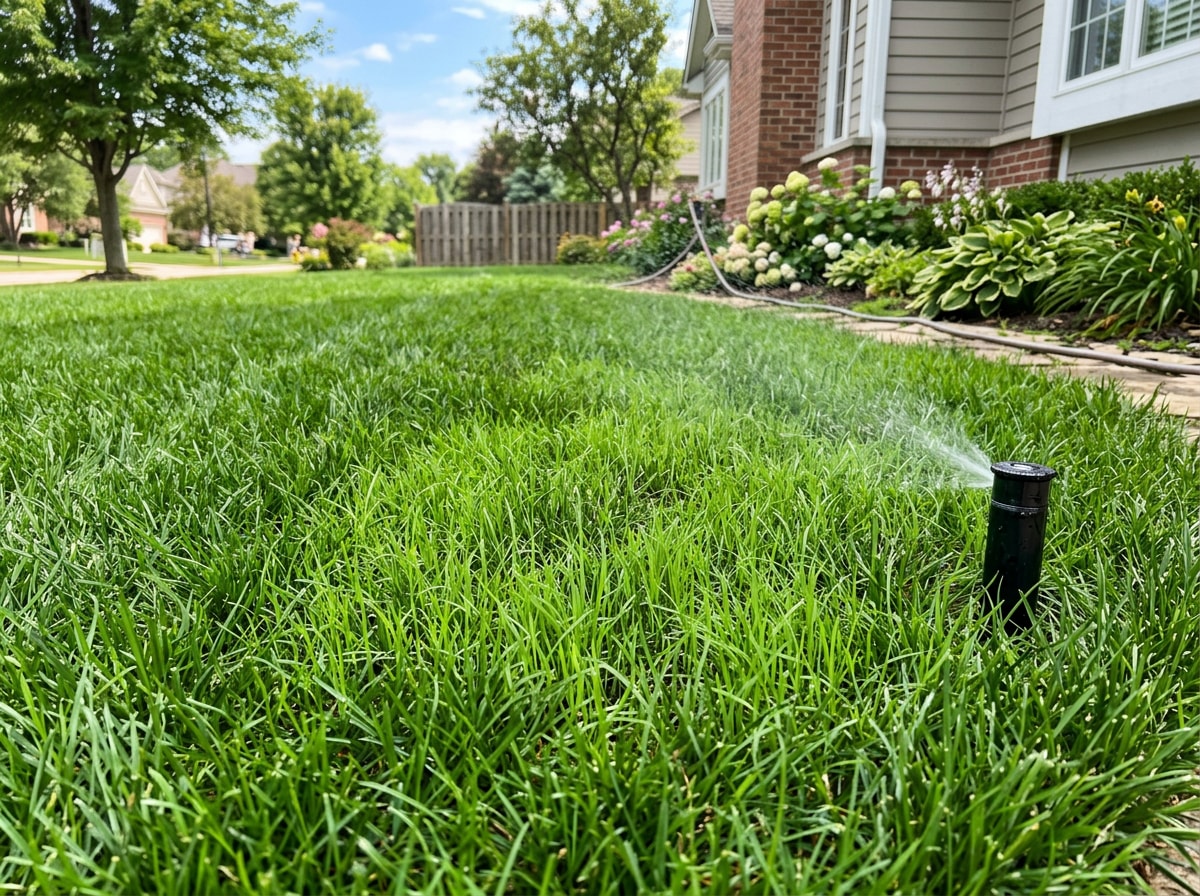
What Is Overseeding?
Overseeding means spreading grass seed over an existing lawn to fill bare spots and thicken thin turf, rather than starting over.
It works with your lawn's current root system. New lawn seeding and hydroseeding both build a lawn from bare soil instead.
Here's how the three compare:
| Method | What It Does | Best For |
|---|---|---|
| Overseeding | Adds seed to living turf to thicken coverage and fix bare patches | Lawns that are thin but mostly intact |
| New lawn seeding | Establishes grass on bare soil | New construction or full renovations |
| Hydroseeding | Sprays a seed-and-mulch slurry over bare soil | Large new-lawn jobs or erosion control |
Not every thin lawn just needs seed, though. Soil compaction or an unresolved disease can undermine results, so it's worth ruling those out before booking lawn seeding services in Maize, KS. Extension horticulturists note that badly compacted soil may call for core aeration before any seed goes down, not after, as explained in this Ask Extension response on fertilizing and overseeding tall fescue. Our aeration and over-seeding service addresses compaction first when needed.
Signs Your Lawn Needs Seeding or Overseeding
Bare patches and standing water after rain are two of the clearest signals a Maize lawn needs help. Summer stress from mowing, kids, and pets wears thin grass down fast, especially in high-traffic areas, and that's often when homeowners start searching for lawn seeding services in Maize, KS.
Watch for these signs:
- Bare or thin patches that don't fill back in on their own
- Grass that feels spongy or springy underfoot (possible thatch buildup)
- Standing water or runoff after a normal rain
- Weeds filling in faster than grass regrows
- Visible wear along fence lines, play areas, or dog paths
These signs overlap, though, and don't tell you how severe the problem is. Spongy turf might mean thatch buildup, or it could point to compacted soil, which is common in Maize's clay-heavy yards.
Benefits of Lawn Aeration & Overseeding
Aeration and overseeding work as a team. Aeration pulls small plugs of soil from the lawn, creating room for air, water, and fertilizer to reach grass roots while breaking up thatch along the way.
That open soil improves seed-to-soil contact, which means better germination when seed goes down right after aerating. University turfgrass research backs this pairing: fall overseeding on cool-season lawns benefits from reduced weed competition and more favorable growth conditions than spring seeding offers, according to University of Nebraska-Lincoln turfgrass extension.
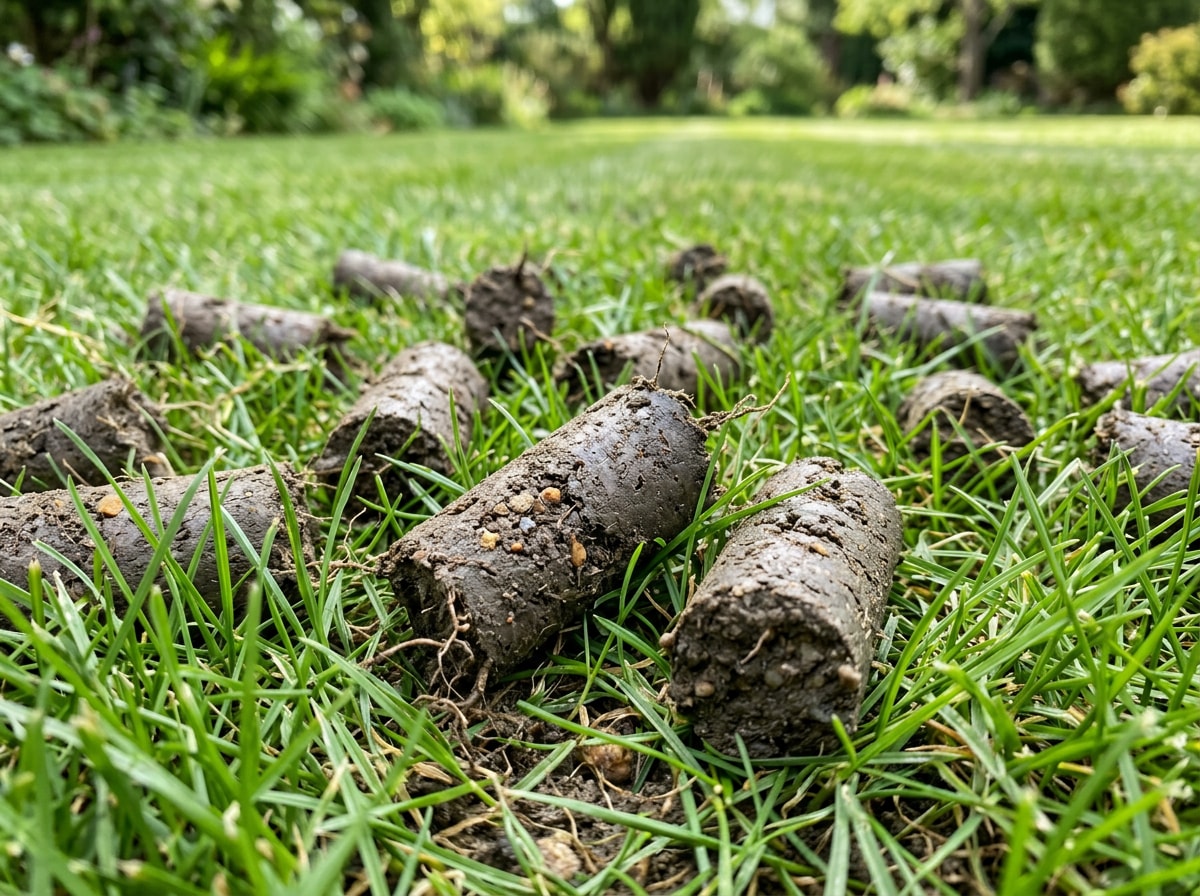
Together, aeration and overseeding:
- Strengthen root systems
- Cut down on water runoff and puddling
- Make fertilizer more effective
- Boost heat and drought tolerance
- Crowd out weeds and disease
- Fill in dead spots with new growth
In our own work across Maize's heavier clay lots, lawns aerated and seeded together in September consistently come in thicker by the time mowing season ends than lawns that got seed alone. Most lawn health plans in Maize, KS follow the same order: aerate first, then seed.
Complete Lawn & Seeding Services We Provide
Seeding rarely stands alone. We also offer mowing, fertilization and weed control, landscaping, irrigation repair, and seasonal cleanup for residential and commercial properties in Maize.
Bundling aeration with seeding is one of the most common requests we get, since the pairing builds a healthier lawn and reduces future weed growth. If a removed tree stump left bare dirt behind, seed that patch once the soil settles; our tree stump grinding guide for Goddard, KS covers how to prep that kind of spot before seeding.
Browse our full lawn care service lineup, or check the areas we serve near Maize to confirm coverage. You can also see completed work on our projects page or visit our homepage for a full look at what we do.
Ready to fix the thin spots before they spread? Get a Free Estimate and we'll walk your lawn before recommending anything.
FAQ
What Is Overseeding, and Why Is It Important?
Overseeding spreads new grass seed over an existing lawn to improve thickness, fill bare spots, and boost overall lawn health. It also helps crowd out weeds and increases the lawn's resistance to disease over time.
When Is the Best Time to Overseed in Kansas?
Early fall, roughly September, is the best window for overseeding tall fescue in Kansas. K-State Research and Extension horticulture expert Ward Upham has said tall fescue lawns that have become thin over the summer can be thickened up by overseeding in September . For newly seeded areas, K-State recommends 6 to 8 pounds of seed per 1,000 square feet for newly-planted areas, and about half that amount for overseeding areas in the shade , with full seeding guidance available from K-State Research and Extension. Spring overseeding is possible but less reliable.
Can Overseeding Fix Bare Patches in My Lawn?
Yes. Overseeding fills bare or thin spots with new grass seed, and pairing it with aeration helps that seed germinate and build stronger roots for lasting results.
How Often Should I Overseed My Lawn?
Most lawns benefit from overseeding once a year or at least every other year. Lawns with thinning grass, bare patches, or heavy foot traffic may need more frequent treatments.
What's the Difference Between Lawn Seeding and Overseeding?
Seeding builds a brand-new lawn from bare soil, while overseeding adds seed to an already-established lawn to thicken existing turf rather than start over.
How Much Does Lawn Seeding Cost in Maize, KS?
Cost depends on lawn size, seed type, and whether aeration is bundled in. The straightforward way to get an accurate number is a free on-site assessment rather than a ballpark guess, since thatch depth and soil condition both affect how much seed and labor a yard actually needs.